
Plan Your Oil Storage Around the Process and Available Space
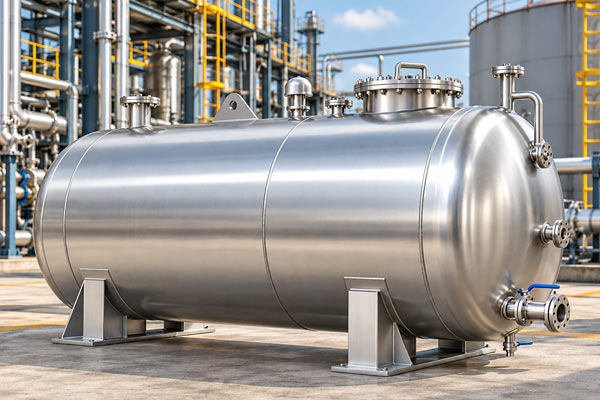
Overview
More Than a Container for Holding Oil
An oil storage tank connects several parts of a handling process. It receives oil, holds the required quantity, and provides a supply point for the next operation.
A suitable tank should fit the working area while allowing space for connections, inspection, and maintenance. Its material must also suit the stored oil and expected service conditions.
Tri Force Machinery offers oil storage tanks in different configurations. Customers can discuss capacity and dimensional requirements before the tank arrangement is finalized.
For transformer servicing, industrial maintenance, or plant oil handling, a clear storage specification helps keep the tank connected to the way the facility actually works.
Start With the Storage Requirement
Oil type | Working volume | Installation space | Transfer arrangement
Oil Storage and Handling Functions
Organize How Oil Moves Through Your Facility
The tank’s role should be established before selecting its capacity or shape.
Receiving Oil
The tank may receive oil from a delivery source, transfer unit, or treatment process. Filling connections should suit the planned flow and handling method.
Holding the Required Quantity
Storage volume should account for the amount normally held and the space needed for the intended operating conditions.
Supplying the Next Operation
The outlet arrangement should connect with the equipment receiving the oil, such as a filtration unit, transfer pump, or filling system.
Separating Oil Grades
Dedicated storage arrangements help keep different oils apart. Identification and handling procedures remain necessary to avoid mixing incompatible products.
Technical Specifications
Oil Storage Tank Product Details
Tri Force Machinery published page confirms material choices and flexibility in tank size and shape. Final construction details should follow the approved specification and drawing.
Information That Shapes the Design
What Sets It Apart
Choice of Construction Material
Mild steel and stainless steel options allow the material to be assessed against the stored oil and installation conditions.
Capacity Matched to the Operation
Different storage quantities require different tank sizes. Buyers can specify the normal volume held and the receiving or transfer pattern.
Dimensions Considered Before Manufacture
Length, width, and height can be discussed alongside the space available at the site. This helps establish whether the proposed arrangement fits.
Shape Selected for the Layout
Tri Force offers different tank shapes. The selection can consider the installation area, connection positions, and required access.
Connection Requirements Included in Planning
Identifying inlet, outlet, drain, and other required connections early helps coordinate the tank with surrounding equipment. Their inclusion should be stated in the supply scope.
Working Principle
How an Oil Storage Tank Fits Into the Handling Cycle
The tank holds oil between receiving and withdrawal operations. Pumps, filters, and measuring instruments are separate equipment unless included in the agreed scope.
Step 1
Receive the Specified Oil
Oil enters through the designated filling connection using the approved transfer arrangement.
Step 2
Maintain the Intended Storage Level
The stored quantity stays within the tank’s defined operating limits. Any level measurement or control equipment must be specified for the application.
Step 3
Hold Oil Under the Design Conditions
The tank contains the oil within its permitted temperature and pressure conditions.
Step 4
Deliver Oil to the Next Point
Oil leaves through the selected outlet, using the transfer method planned for the installation.
Step 5
Inspect and Maintain the Tank
Inspection, cleaning, and any drainage work follow the tank instructions and the facility’s maintenance procedure.
Step 6
Deliver and Verify the Air
Treated air reaches the designated connection point. Dew point and other agreed checks confirm whether the supply meets the application requirement.
Applications
Where Oil Storage Tanks Can Be Considered
Transformer Oil Handling
A tank can provide a holding point within an oil filling, filtration, or servicing arrangement.
Industrial Maintenance Areas
Facilities can plan storage for the oils used during machinery maintenance and fluid replacement.
Oil Treatment Operations
Storage may be required before or after filtration. Separate tanks or clearly defined handling arrangements can help distinguish untreated and treated oil.
Refineries and Oil Terminals
Tri Force Machinery lists refineries and oil and gas terminals among its application areas. The design requirements must be established for the specific stored product and duty.
Supporting Plant Facilities
Oil storage can form part of an ancillary facility serving production equipment or maintenance operations.
Industries and Facilities
Storage for Defined Industrial Requirements
Potential users include transformer service facilities, engineering plants, industrial maintenance departments, refineries, and oil handling terminals.
The tank specification should follow the stored fluid and operating conditions. Industry type alone does not determine the material, capacity, or construction required.
Benefits of a Planned Oil Storage Arrangement
Establish a Dedicated Holding Point
A defined tank location gives the facility a clear place to receive and hold the specified oil.
Coordinate Storage With Oil Consumption
Capacity planning helps align available storage with the amount used, received, or transferred during normal work.
Make Better Use of the Installation Area
Discussing dimensions before manufacture helps account for pipework, access routes, and nearby equipment.
Support Organized Oil Separation
Separate storage and clear identification help teams manage different oil grades within the same facility.
Simplify Equipment Coordination
A documented connection arrangement helps align the tank with transfer and filtration equipment before installation.
Why Choose Tri Force Machinery
Tank Manufacturing Capability
Tri Force Machinery manufactures and supplies oil storage tanks in different capacities, dimensions, and shapes.
Material Options for Discussion
Customers can review mild steel and stainless steel construction against their fluid and site requirements.
Related Oil Equipment Available
The wider product range includes oil filtration machines and sampling bottles, supporting other parts of oil maintenance and handling.
A Design Based on Customer Information
Providing the storage duty and layout allows the proposed tank to be reviewed against a clear requirement before manufacture.
Frequently Asked Questions
Tri Force Machinery lists mild steel and stainless steel options. The material grade should be selected according to the oil, temperature, and installation conditions.
The product page states that different capacities are available without publishing a fixed numerical range. Share the working storage quantity to request a suitable size.
Compare compatibility with the stored oil, corrosion exposure, cleaning requirements, and expected service conditions. The material name alone does not establish suitability.
Tri Force Machinery offers tanks in different dimensions and shapes. Provide the available space, access restrictions, and connection requirements for review.
These items should be confirmed in the quotation. Do not assume that transfer equipment, level instruments, or other accessories are included with the tank.
Pressure or vacuum service must be specifically stated and designed for. An oil storage tank should only operate within its documented design limits.
Provide the oil type, working volume, temperature, preferred material, installation dimensions, connection details, and required accessories.
Request an Oil Storage Tank Quotation
Share your planned storage quantity, oil details, and available installation space with Tri Force Machinery. A layout sketch showing filling and withdrawal points can help explain the arrangement.
Request an offer that identifies the tank capacity, material grade, dimensions, connections, accessories, and inspection requirements. These details give your team a clear basis for reviewing the proposed tank.