
Cleaner Hydraulic Oil for Machinery and Maintenance Operations
Overview
Manage Oil Cleanliness Beyond the Main Hydraulic Circuit
Hydraulic systems use oil to transmit power, lubricate moving parts, and carry heat away from working components. Dirt introduced during filling, repairs, or everyday operation can affect the condition of that oil.
An external filtration machine gives maintenance teams another way to manage contamination during oil handling. It can be considered for cleaning oil in reservoirs or during transfer, using a connection arrangement approved for the equipment.
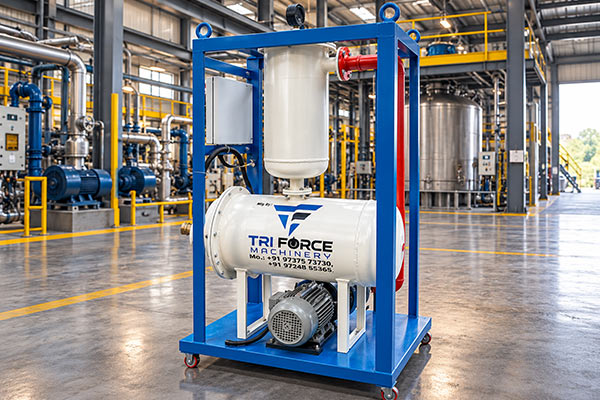
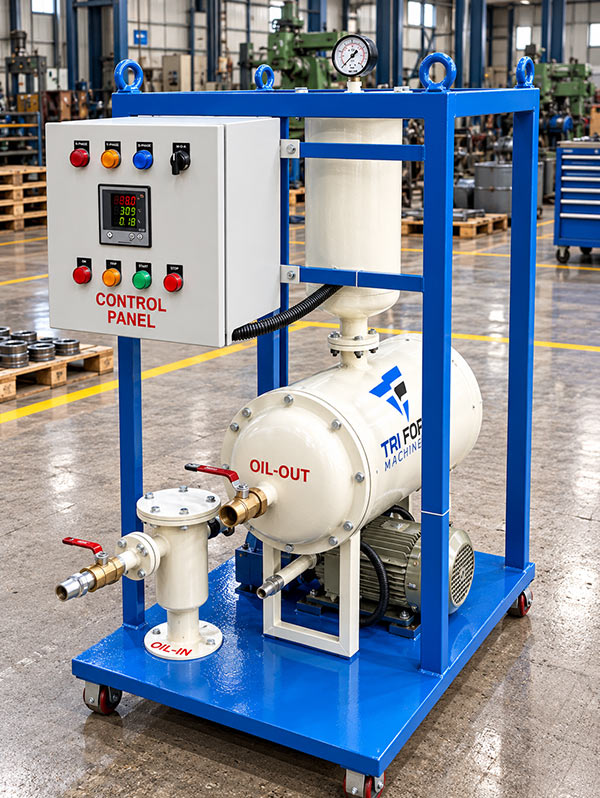
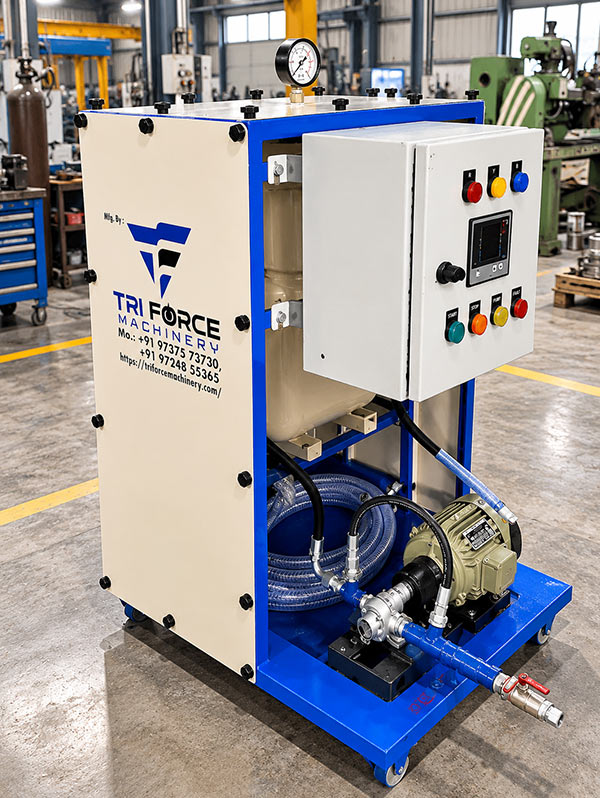
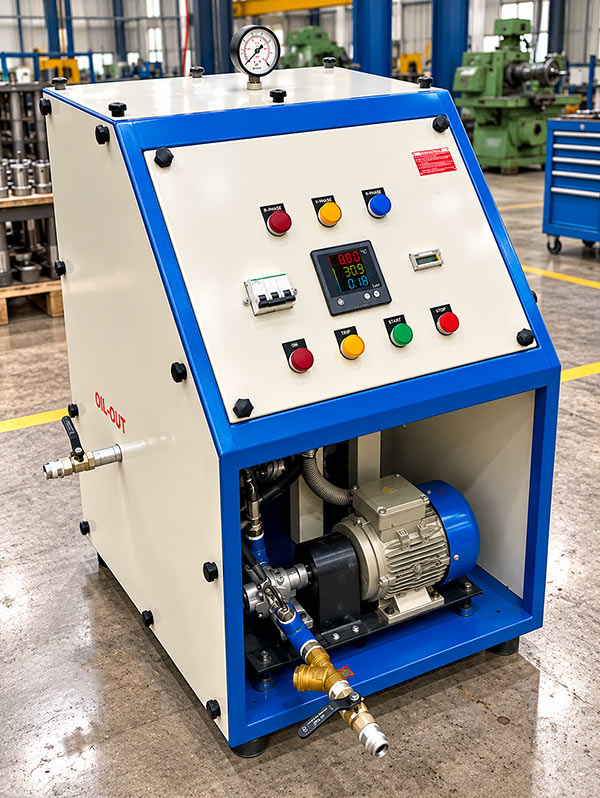
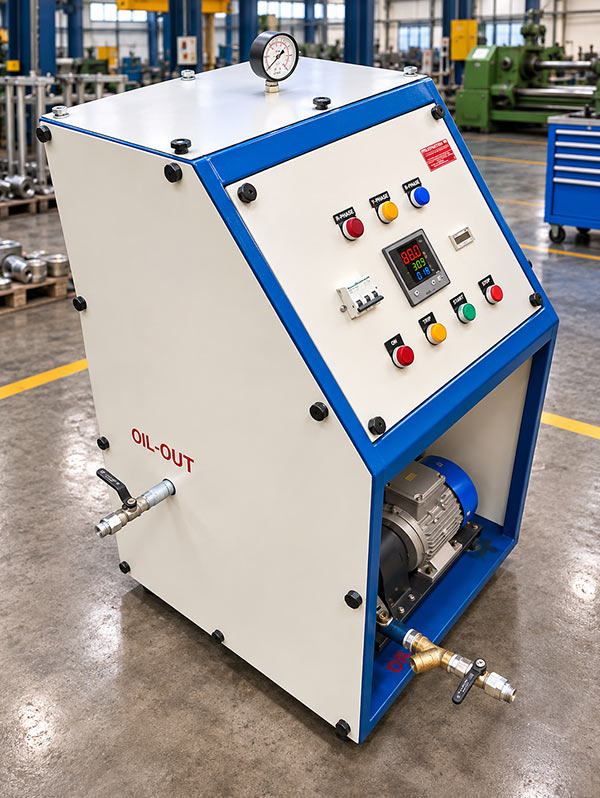
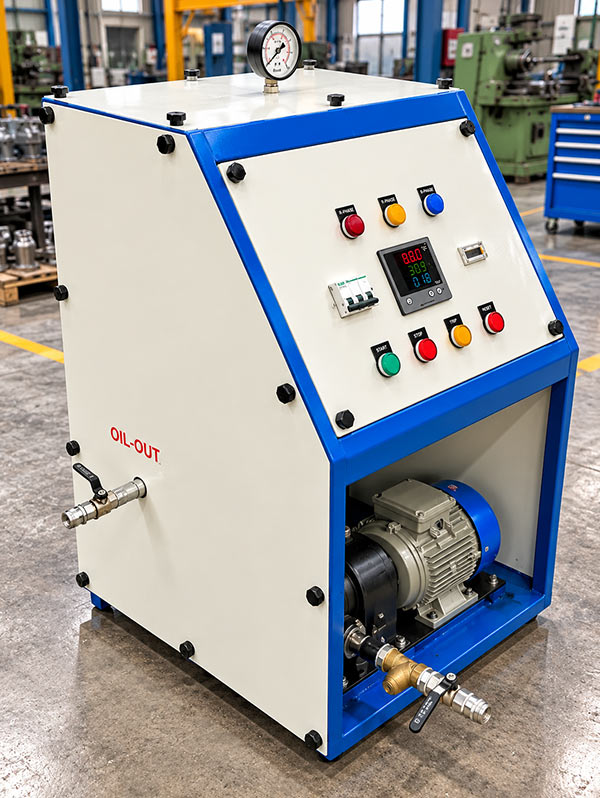
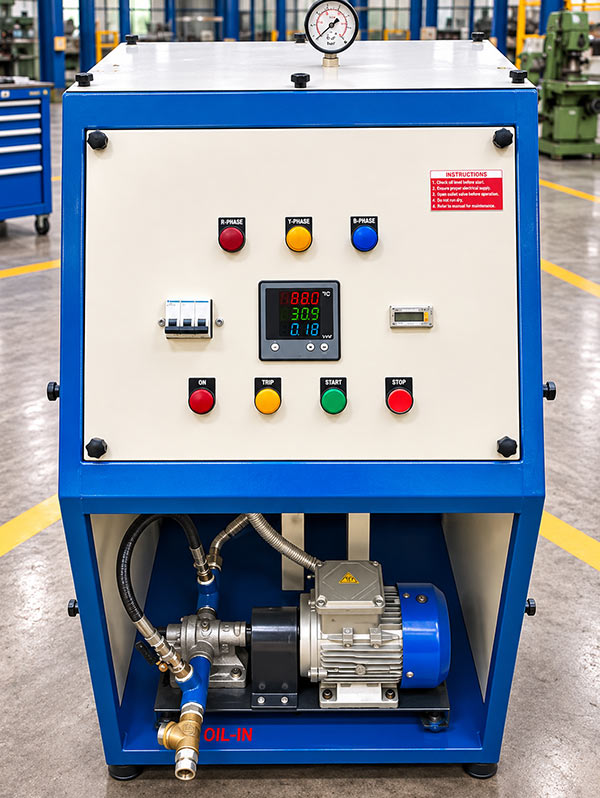
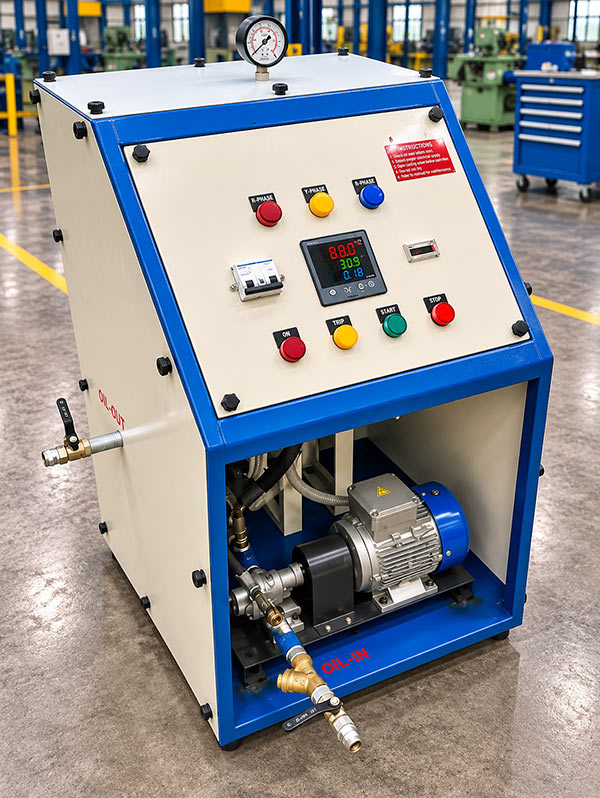
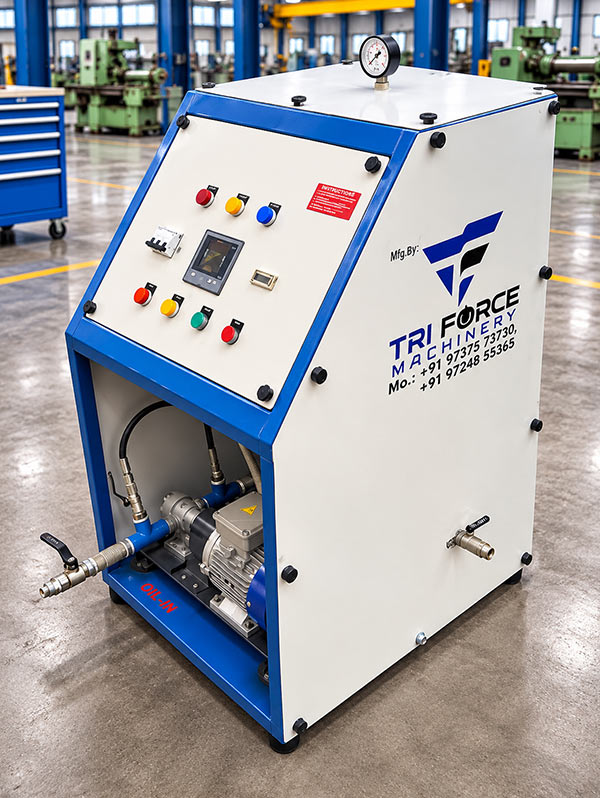
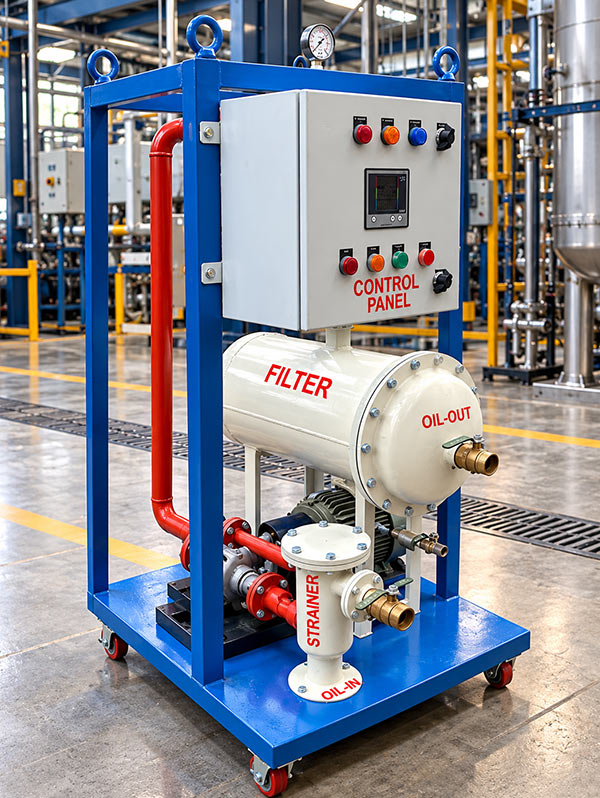
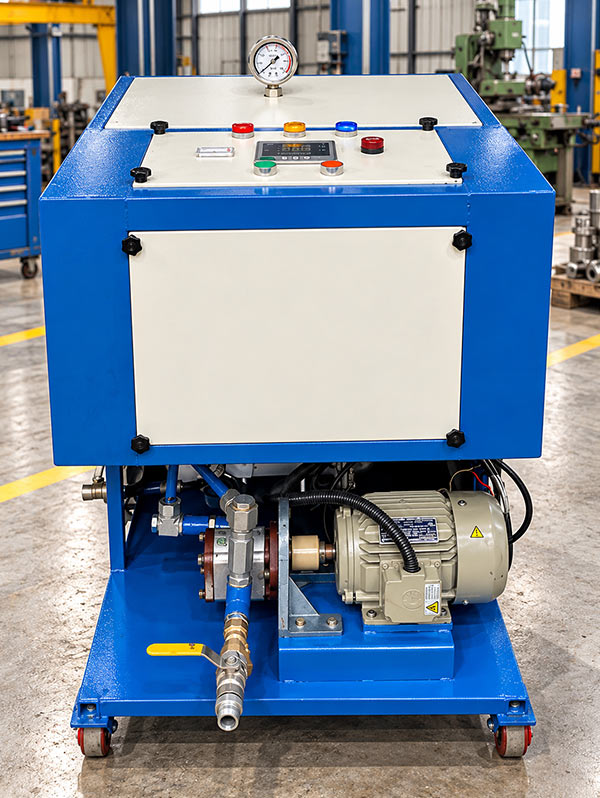
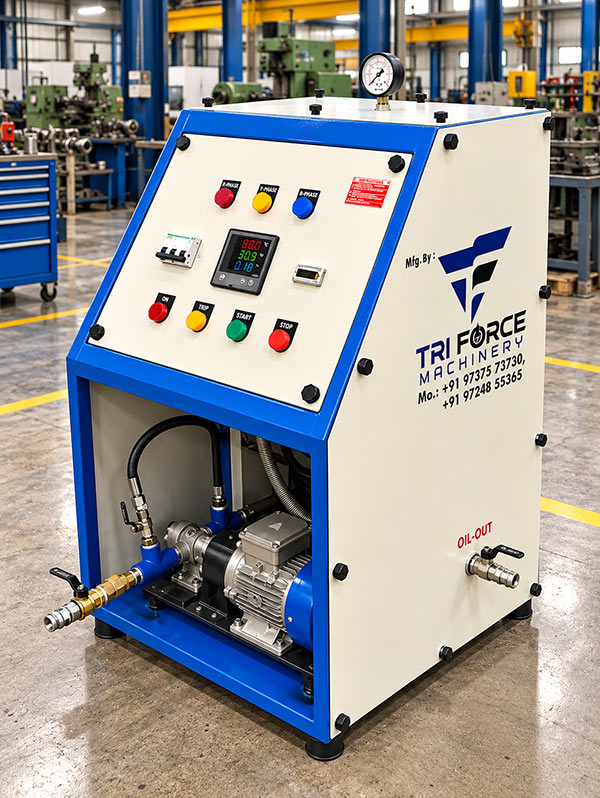
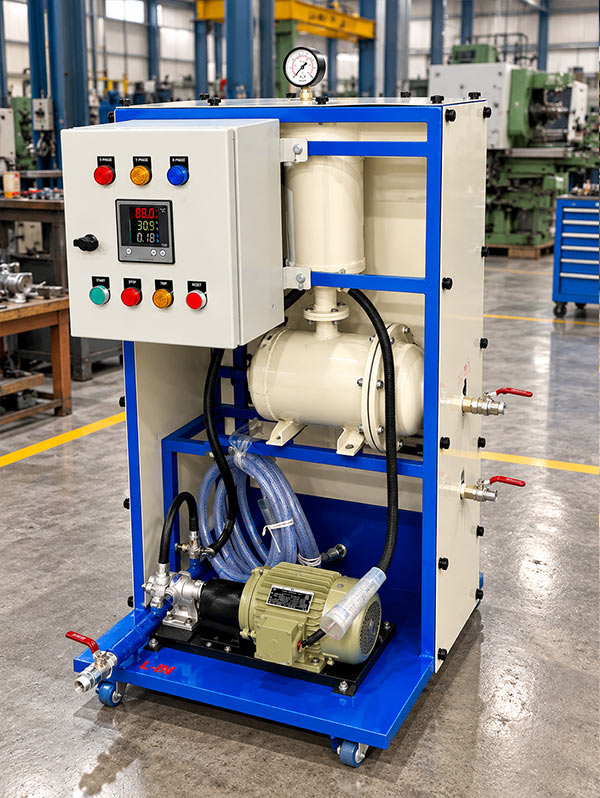
Tri Force Machinery hydraulic oil filtration system is designed for fluid cleaning and movement between tanks. Its lightweight construction supports use at different maintenance points, while automatic controls monitor machine operation.
Choosing a suitable unit involves more than selecting a flow rate. Oil viscosity, contamination level, required cleanliness, and the available working conditions all influence the proposed setup.
A Clear Basis for Equipment Selection
Fluid grade | Contamination level | Required cleanliness | Processing rate
Hydraulic Oil Filtration Functions
Make Oil Handling Part of Your Contamination Control Plan
Contamination can enter a system before the oil reaches the machine. Filtration during maintenance and transfer helps address these additional entry points.
Reservoir Oil Cleaning
A suitable filtration arrangement can process oil held in a reservoir. The connection points and circulation pattern should allow treatment of the intended oil volume.
Filtration During Transfer
Oil can be filtered as it moves to an approved receiving tank. This provides an opportunity to remove suspended particles during handling.
Preparation After Maintenance
Repairs and component replacement may introduce contamination. Oil inspection and filtration can form part of the equipment’s return-to-service procedure.
Support for Oil Condition Monitoring
Sampling before and after filtration helps the maintenance team assess changes in particle contamination. Test results also help identify whether another oil condition problem needs attention.
Technical Specifications
Hydraulic Oil Filter Machine Configuration
These features follow Tri Force Machinery published product description. The selected model’s technical offer should define its operating limits and the faults covered by the control system.
Details to Specify Before Ordering
What Sets It Apart
Cleaning and Transfer in One Unit
The machine combines two common oil maintenance tasks. Buyers can discuss how filtration and transfer should work within their existing handling process.
Movement Between Oil Tanks
The lightweight arrangement makes the unit practical for facilities with several maintenance locations. Its final dimensions and handling needs can be checked against the working area.
Automatic Operating Controls
Automatic controls support operation of the selected machine. Operators should follow the specified inspection and maintenance requirements throughout use.
Fault-Triggered Shutdown
The self-monitoring system shuts the machine down when it detects a covered fault. The technical proposal can clarify the monitoring functions included.
Corrosion Resistant Construction
Corrosion resistance is listed among the product features. Material and finish requirements can be discussed for the intended installation environment.
Working Principle
How Hydraulic Oil Passes Through the Filtration System
The final operating sequence follows the selected machine design. A typical filtration task involves the following stages.
Step 1
Assess the Oil
Identify the oil grade and review its condition. Determine whether the main concern is particle contamination or another issue requiring separate treatment.
Step 2
Arrange the Connections
Connect the machine to the designated supply and receiving points according to the approved procedure. Clean hoses and fittings help prevent additional contamination.
Step 3
Establish Oil Flow
Oil moves into the filtration circuit at a rate suitable for its viscosity and the machine’s operating limits.
Step 4
Capture Suspended Particles
The selected filter elements retain contamination as the oil passes through them. Element performance and condition influence the filtration result.
Step 5
Monitor Machine Operation
The control system monitors operation and responds to the fault conditions included in its design.
Step 6
Check the Treated Oil
Oil returns to the approved receiving point or reservoir. Sampling and testing establish whether the required cleanliness has been reached.
Applications
Where Hydraulic Oil Filtration Can Be Considered
Hydraulic Presses
Facilities operating hydraulic presses can assess the machine for reservoir oil cleaning and maintenance-related transfer work.
Plastic Processing Equipment
Injection moulding and other hydraulically operated machinery may require oil cleanliness management as part of scheduled maintenance.
Hydraulic Power Packs
Maintenance teams can discuss filtration requirements for power packs serving production machinery, lifting equipment, and industrial systems.
Gear and Transmission Oil Handling
Tri Force Machinery lists gear and transmission oils among the applications. Suitability depends on fluid compatibility and the viscosity range of the selected unit.
Industrial Repair Workshops
Workshops servicing hydraulic equipment can consider the machine for oil handling tasks, with suitable arrangements for separating different oil grades.
Industries and Facilities
Suitable Applications Across Hydraulic Machinery Users
Potential users include engineering workshops, metal forming facilities, plastics manufacturers, automotive production units, and general manufacturing plants.
Selection should follow the machinery’s oil requirements. Two plants in the same industry may need different filtration arrangements because their oil grades, reservoir sizes, and cleanliness targets differ.
Benefits Of Transformer Oil Filtration
Reduce Particle Contamination
A correctly selected filter removes suspended particles from the oil stream. This supports the cleanliness requirements of hydraulic components.
Support Component Care
Particles can contribute to wear in pumps, valves, and other moving parts. Controlling contamination forms part of a maintenance programme intended to protect these components.
Improve Oil Handling Practices
Filtering during transfer helps make oil movement a controlled maintenance activity. Clean receiving tanks and connections remain part of that process.
Make Maintenance Decisions Using Evidence
Particle counts and other oil checks provide a clearer basis for assessing treatment than appearance alone.
Investigate Recurring Contamination
If oil becomes contaminated again soon after filtration, maintenance records can help the team look for the source, such as worn seals, dirty filling equipment, or ineffective reservoir protection.
Why Choose Tri Force Machinery
Discuss Your Machinery and Oil Together
Tri Force Machinery offers hydraulic oil filtration equipment in different specifications. Buyers can explain the equipment being serviced and the fluid conditions before selecting a model.
Review the Proposed Configuration
A technical quotation can identify the machine’s flow rate, filter arrangement, electrical requirement, and included connections. This helps purchasing and maintenance teams assess the same specification.
Access Other Oil Handling Equipment
Tri Force Machinery range includes portable filtration equipment, oil storage tanks, and sampling bottles. These products can support related maintenance activities.
Enquire About Equipment Support
Tri Force Machinery lists filtration machine maintenance, repair, overhauling, and spare supplies among its services. Ask the team to confirm the support scope applicable to the proposed hydraulic unit.
Frequently Asked Questions
The machine removes suspended contamination from compatible oil and supports fluid transfer. Its performance depends on the selected filters, operating conditions, and oil properties.
Tri Force Machinery lists hydraulic, gear, transmission, and other fluids among its applications. Provide the exact fluid name and grade so compatibility can be confirmed.
The rating should follow the machinery manufacturer’s cleanliness requirement and the contamination being removed. Ask for the element’s filtration efficiency and the conditions under which it is rated.
Tri Force Machinery describes automatically controlled operation with self-monitoring and automatic shutdown on detected faults. Confirm the specific control functions in the technical quotation.
The published description does not specify a water removal system. If moisture is present, provide the oil test results and request a treatment arrangement designed for that requirement.
The machinery manufacturer’s specified filters should remain part of the hydraulic system. External filtration provides additional oil cleaning and should be planned around the equipment’s maintenance requirements.
Price depends on the required processing rate, oil viscosity, filter arrangement, control functions, connections, and included accessories. A detailed requirement helps Tri Force Machinery prepare a suitable quotation.
Request a Hydraulic Oil Filter Machine Quotation
Send Tri Force Machinery your hydraulic oil grade, reservoir capacity, contamination report if available, and preferred processing rate. Include the available power supply and details of the tanks or equipment being serviced.
The quotation can then identify the proposed machine, filtration performance, operating limits, and supplied accessories for your team to review.