
Collect Oil Samples for Meaningful Condition Checks
Overview
Give the Laboratory a Sample It Can Assess
A laboratory tests the oil it receives. If moisture, dirt, or another fluid enters during collection, the results may no longer reflect the oil inside the equipment.
The sampling bottle is therefore part of the collection process. Its size, cleanliness, closure, and connection arrangement should suit the test being requested.
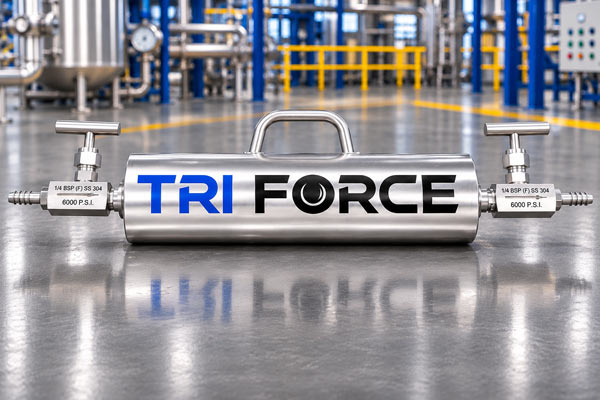
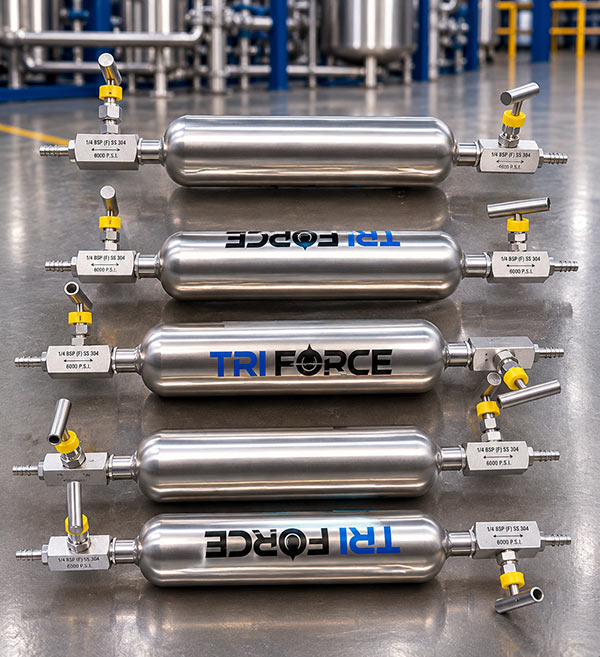
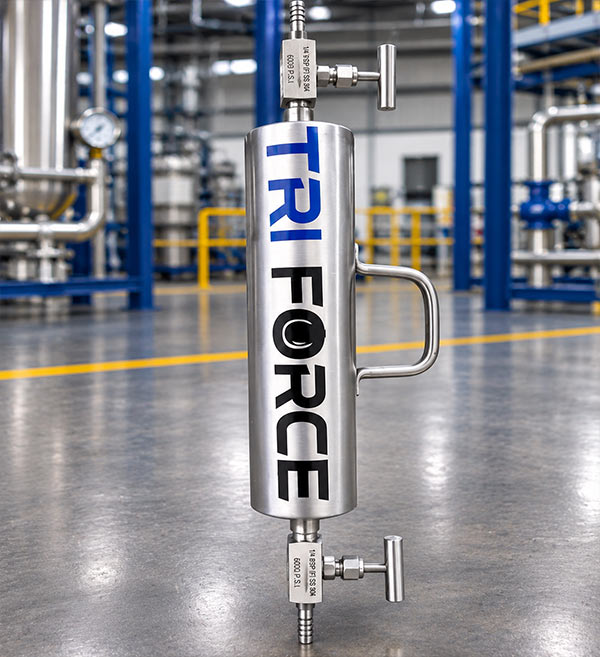
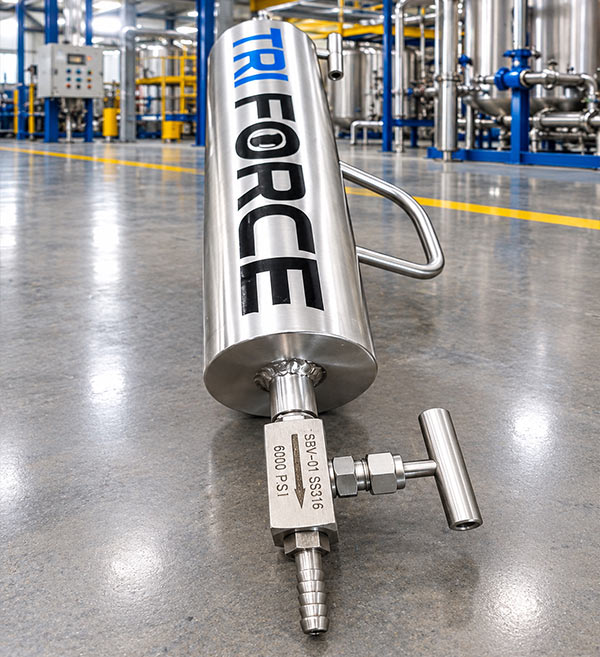
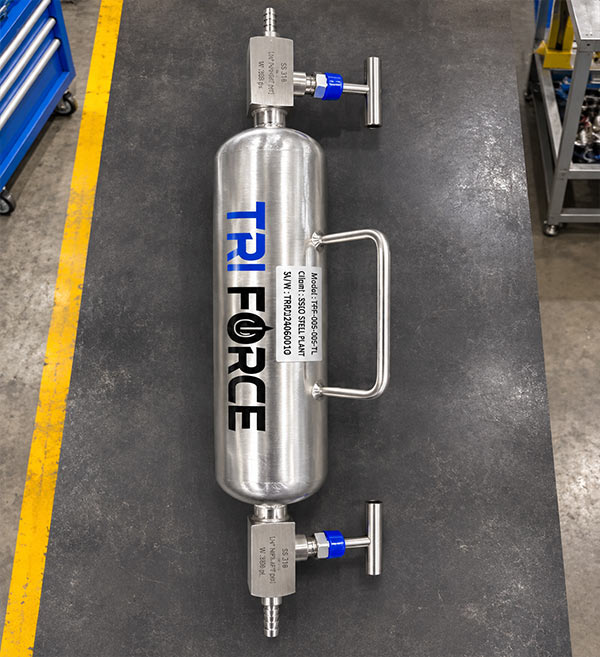
Tri Force Machinery stainless steel oil sampling bottle provides a dedicated container for this work. Its published design includes a gas-tight closure and valves at both ends. Bottle selection should follow the receiving laboratory’s requirements for the intended test.
Manufactured in Ahmedabad, Gujarat, the range serves customers arranging oil sampling for equipment checks and maintenance programmes.
Choose the Container Around the Test
Required sample volume | Collection method | Connection type | Laboratory acceptance
Oil Sample Collection Functions
Connect Field Sampling With Laboratory Testing
An oil sampling bottle performs a different role from a storage container. It holds a collected sample that must remain identifiable and suitable for the intended analysis.
Collect the Required Oil Quantity
The bottle capacity should accommodate the volume requested by the laboratory. Some test packages may require additional oil for repeat measurements.
Close the Sample After Collection
The valves provide the means of closing the bottle once the sample has been collected according to the approved procedure.
Carry the Sample to the Laboratory
The bottle holds the oil during handling and transport. Suitable packaging helps protect the body and valve fittings.
Keep the Sample Linked to Its Source
A separate label or sample record should identify the equipment, collection point, date, and tests requested. The bottle and paperwork must carry matching references.
Technical Specifications
Stainless Steel Oil Sampling Bottle Details
The product page does not specify the stainless steel grade, valve connection dimensions, or pressure rating. These details can be requested for the selected bottle.
Details to Keep With Each Sample
The laboratory should confirm the container type and volume before collection, especially for tests sensitive to air exposure or contamination.
What Sets It Apart
Stainless Steel Body
The bottle uses stainless steel construction. Buyers can request the material grade needed for their oil and sampling procedure.
Valves at Both Ends
The two-valve arrangement provides connection and closure points at each end. The fitting type should be checked against the sampling equipment.
Gas-Tight Closure Design
Tri Force Machinery describes the bottle as gas-tight. Suitability for a particular analytical method still depends on the complete bottle, valve condition, and collection procedure.
Five Listed Capacities
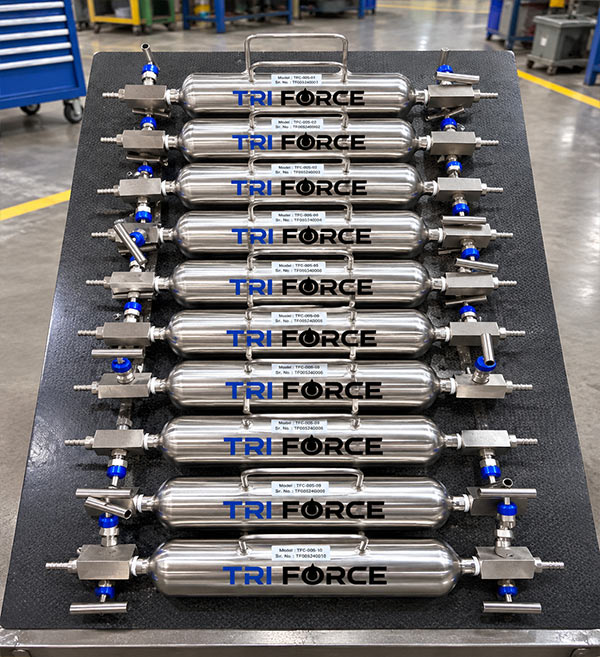
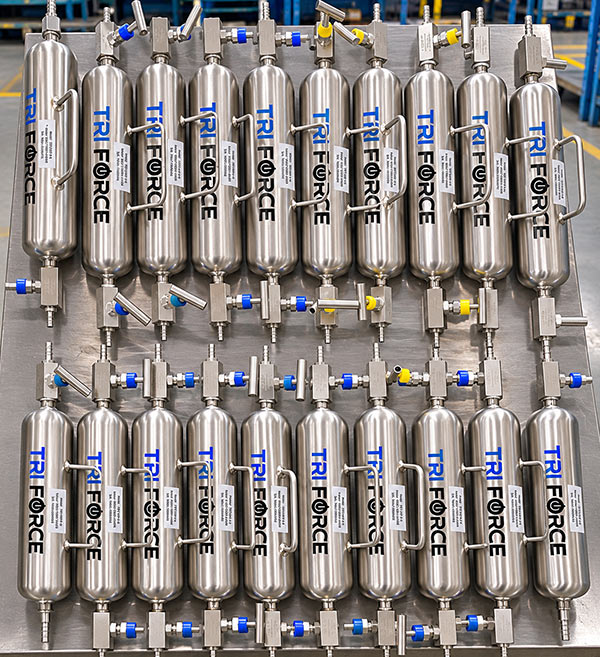
The range includes 0.5, 1, 1.5, 2, and 2.5 litre sizes. This gives buyers several options when matching the laboratory’s volume requirement.
Round Construction
The published design uses a round body. Dimensions can be checked when planning storage, transport packaging, or field sampling kits.
Additional Sizes on Request
Customers with a different volume requirement can discuss another size with Tri Force Machinery before ordering.
Working Principle
How the Bottle Supports a Sampling Routine
The bottle receives oil through the specified collection arrangement and retains the sample for delivery. It does not analyse or condition the oil.
Step 1
Confirm the Test Requirements
Obtain the laboratory’s instructions for container selection, sample quantity, and handling.
Step 2
Prepare the Accepted Container
Check the bottle and valves against the required cleanliness and condition criteria. Cleaning or preparation should follow the approved method.
Step 3
Collect the Sample
Use the procedure specified for the equipment and test. The collection point and sampling method influence how representative the sample will be.
Step 4
Close and Identify the Bottle
Close the bottle according to its instructions and attach a sample reference that matches the laboratory paperwork.
Step 5
Package for Transport
Protect the bottle and its fittings during handling. Follow the laboratory’s delivery and storage instructions.
Step 6
Record the Submission
Keep the collection details and test request together so the results can be linked to the correct equipment and maintenance event.
Applications
Where Oil Sampling Bottles Can Be Considered
Transformer Oil Checks
Electrical maintenance teams can discuss the bottle with their laboratory for the specified transformer oil tests.
Filtration Performance Checks
Samples taken before and after treatment can help assess changes in oil condition when the same accepted sampling method is used.
Storage Tank Sampling
Oil handling teams may need samples from designated tank collection points for quality assessment.
Maintenance Investigations
A collected oil sample can support an investigation into contamination or a change in equipment condition.
Routine Condition Monitoring
Facilities carrying out scheduled oil testing can include suitable bottles in their sampling arrangements.
Industries and Facilities
Supporting Oil Testing Programmes
Potential users include transformer service companies, electrical utilities, power facilities, industrial maintenance departments, and laboratories that accept this container design.
The intended test determines suitability. A bottle accepted for one test should not automatically be assumed suitable for every oil analysis method.
Benefits of a Dedicated Sampling Bottle
Establish a Consistent Collection Setup
Using an accepted bottle design helps teams follow the same container requirements across repeated sampling tasks.
Match the Requested Sample Volume
Choosing the appropriate capacity helps provide enough oil for the planned laboratory work.
Support Sample Traceability
Clear identification allows the laboratory report to be matched with the equipment and collection event.
Keep Samples Separate
A defined cleaning and handling routine helps prevent oil from one sample affecting another.
Improve the Usefulness of Maintenance Records
Consistent sample references make it easier to compare results over time and review changes after servicing.
Why Choose Tri Force Machinery
Manufacturer of Stainless Steel Sampling Bottles
Tri Force Machinery manufactures and supplies oil sampling bottles as part of its oil handling product range.
Several Capacity Options
Customers can select from the listed sizes or discuss a different volume requirement.
Product Details Available for Review
Buyers can request bottle dimensions, material grade, valve specifications, and connection details before purchase.
Related Oil Maintenance Equipment
Tri Force Machinery also supplies filtration machines and oil storage tanks, supporting other activities associated with oil maintenance.
Frequently Asked Questions
The listed capacities are 0.5, 1, 1.5, 2, and 2.5 litres. Other sizes can be discussed according to customer requirements.
The published product description states stainless steel without identifying a grade. Request the required material specification in the quotation.
The valves provide connection and closure points for the bottle’s intended sampling arrangement. Their operation should follow the bottle instructions and laboratory procedure.
Confirm acceptance with the receiving laboratory before ordering. A gas-tight description alone does not establish suitability for dissolved gas analysis; the container and sampling method must meet the laboratory’s requirements.
Reuse depends on the laboratory’s procedure and the bottle’s condition. Cleaning, drying, and inspection requirements must be met before collecting another sample.
Use the volume specified by the laboratory for the requested tests. Do not select the sample quantity solely from the bottle’s nominal capacity.
Provide the bottle capacity, quantity, required material grade, valve connections, and intended tests. Include any laboratory container specification.
Request an Oil Sampling Bottle Quotation
Share the required sample volume, intended analysis, and connection details with Tri Force Machinery. Include the quantity of bottles and any material or inspection requirements.
Request confirmation of the bottle dimensions, valve arrangement, stainless steel grade, and supplied accessories so your sampling team can review the product before ordering.